|
|
|
||||||||||||||||||||||||||||||||||||||||||||||||||||||||||||||||||||||||||||||||
 |
|
||||||||||
|
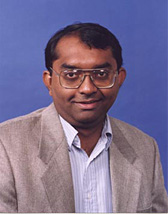
Sumit Roy received the
B. Tech. degree from the Indian Institute of Technology (Kanpur) in
1983, and the M. S. and Ph. D. degrees from the University of
California (Santa Barbara), all in Electrical Engineering in 1985 and
1988 respectively, as well as an M. A. in Statistics and Applied
Probability in 1988. Presently he is Prof. of Electrical Engineering,
Univ. of Washington where his research interests include
analysis/design of wireless communication and sensor network systems
with a current emphasis on wireless LANs (802.11) and wireless MANs
(802.16), multi-standard wireless inter-networking and cognitive radio
platforms, and sensor networking involving RFID technology. He is also
exploring applications and extensions of networking technologies and
principles to new domains such as social, energy and biological
networks.
He spent 2001-03 on academic leave at Intel Wireless Technology Lab as a Senior Researcher engaged in systems architecture and standards development for ultra-wideband systems (Wireless PANs) and next generation high-speed wireless LANs. His activities for the IEEE Communications Society (ComSoc) includes membership of several technical and conference program committees (most recently, Vice Chair of Technical Program Committee for IEEE WCNC05 conference). He has served as Associate Editor for IEEE Trans. Communications and IEEE Trans. on Wireless Communications and currently serves on the Editorial Board for IEEE Trans. Communications, IEEE Intelligent Transportation Systems and Wiley J. Wireless Communications and Mobile Computing. He was elevated to IEEE Fellow by Communications Society in 2007 for his "contributions to multi-user communications theory and cross-layer design of wireless networking standards." |
|||||||||||
|
|
||||||||||
|
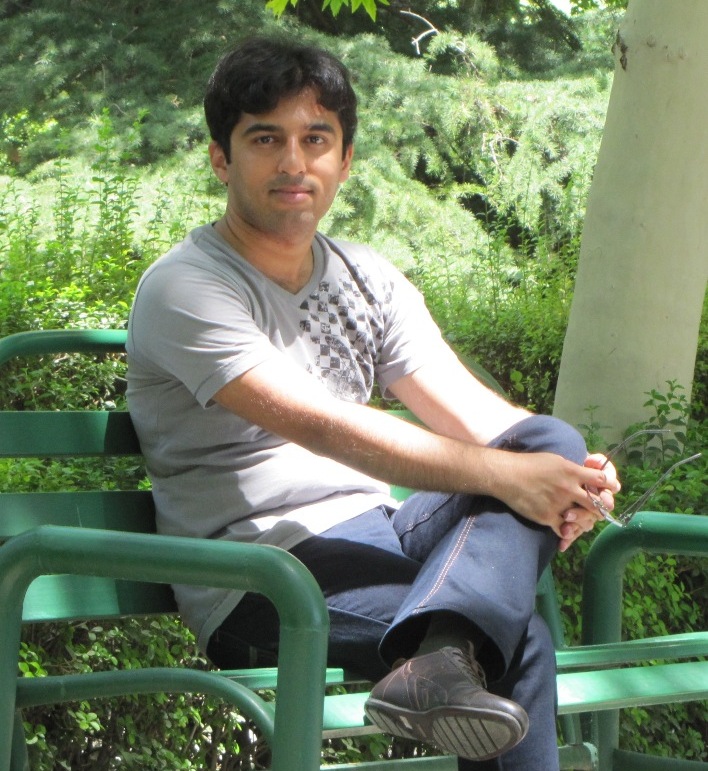
Yue Yang received his B.E. degree from UM-SJTU Joint Institute at Shanghai Jiao Tong University, Shanghai, China in 2011. Right now, he is pursuing Ph.D. degree at Electrical Engineering Department of University of Washington. His current research interest lies on Wireless Communication and Smart Grid.
|
|||||||||||
|
|
||||||||||
|
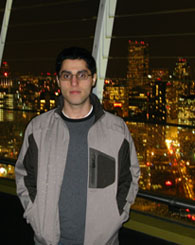
Hossein Safavi received his BS in Electrical Engineering from Purdue University in 2011. In fall 2011, he began his PhD studies at the University of Washington. His research interests surround spectrum sensing, cognitive networks, and opportunistic usage of spectrum.
|
|||||||||||

|
|
||||||||||
|
Chang Wook Kim received his B.E. degree and M.S. degree in Electronic Engineering from Sogang University in 2006 and 2008 respectively. He worked for Samsung Electronics as an engineer from Feb. 2008 to Jun. 2011. In Fall 2012, he started his Ph.D. studies at the University of Washington.
His current research interests include wireless network system and architecture, cross-layer design, and underwater communications.
|
|||||||||||
|
|
||||||||||
|
Shwan Ashrafi received his B.Sc. and M.Sc. both in Electrical Engineering from Amirkabir University of Technology, 2001 and
University of New Mexico 2012. His research interests lie in the area of wireless communication and distributed algorithms. He began his PhD studies in Autumn 2012 at the University of Washington.
|
|||||||||||
|
|
||||||||||
|
Benjamin Morgan earned his Bachelor of Science in Electrical Engineering from the University of Washington
in 2012. He is currently pursuing his Master's in Electrical Engineer and is currently working on the
MAC Layer Network Coding Project.
|
|||||||||||
|
|
||||||||||
|
Xuhang Ying received his B.E. degree in Information Engineering from the Chinese University of Hong Kong in 2013 with the highest honor. In fall 2013, he started his PhD studies in Electrical Engineering at University of Washington. His current research interests include cognitive radio and TV white spaces.
|
|||||||||||
|
|
||||||||||
|
Benjamin Cizdziel received his BS in Electrical Engineering from University of California, Santa Cruz in 2013. He began the MS program in Electrical Engineering at the University of Washington in fall 2013. His current research interest is radar-WiFi coexistence.
|
|||||||||||

|
|
||||||||||
|
Noshad Bagha earned his Bachelor of Science in Electrical Engineering in 2012. After working in the industry for two years, he is currently pursuing his Master's in Electrical Engineering. He is currently working on the Underwater Acoustic Networking project.
|
|||||||||||
|
|
||||||||||
|
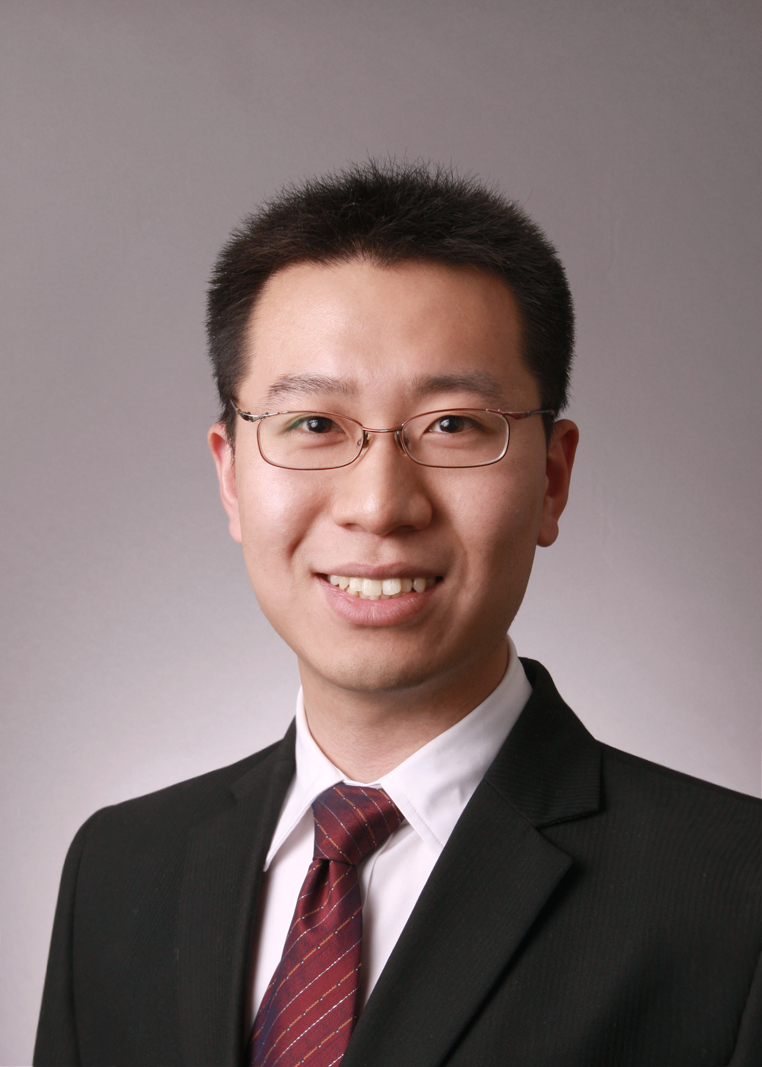
Jianyuan Feng received his B.E. degree in Electronic Information Engineering from Wuhan University, Wuhan, China, in 2012. Then he began his PhD studies in Beijing University of Posts and Telecommunications (BUPT), Beijing, China, in the same year. Currently, he is a visiting PhD student at the Department of Electrical Engineering in the University of Washington.
His research interests include heterogeneous networks (HetNets), small cells and network optimization.
|
|||||||||||
|
|
||||||||||
|
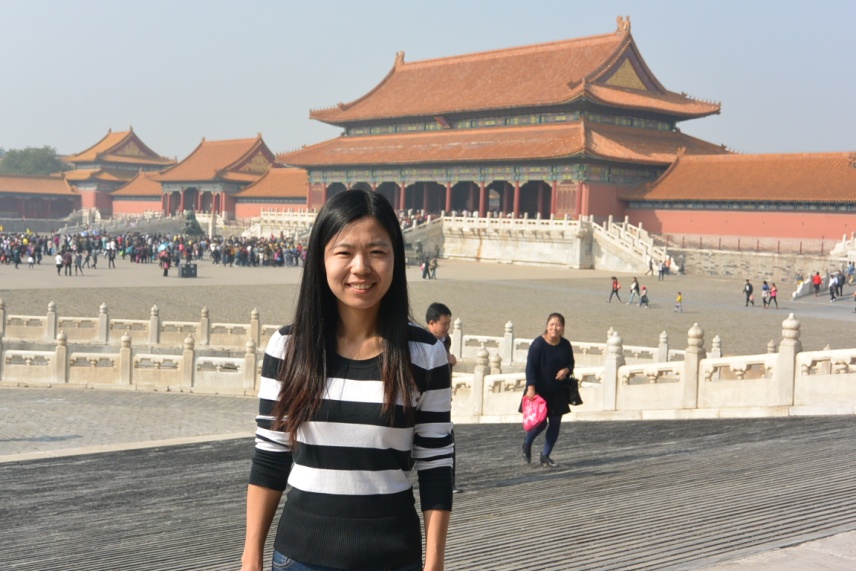
Yanling Yin earned her Bachelor and Master of Science in Electrical Engineering from Harbin Engineering University, China,in 2009 and 2013 respectively. She is currently pursing her PhD degree in Harbin Engineering University, China and working as a visiting Ph.D. student in University of Washington. Her research area includes OFDM underwater acoustic communication, channel estimation, Doppler estimation/compensation, time reversal signal processing, time-varying underwater acoustic channels modeling.
|
|||||||||||

|
|
||||||||||
|
Marc Newlin is a software engineer with a background in desktop and web application development. His research interests include software-defined radios, dynamic spectrum access, and computer vision. He competed in the DARPA Shredder Challenge in 2011 and won third place. Currently, he is working on the final phase of the DARPA Spectrum Challenge.
|
|||||||||||